
Operations, optimized.
The software big companies build for themselves, built for yours.
We work with your team to sharpen how the work gets done, then build the software to run it.
For small and mid-sized businesses, up to 500 people. Fixed price and scope, release by release. You pay only for what is delivered.
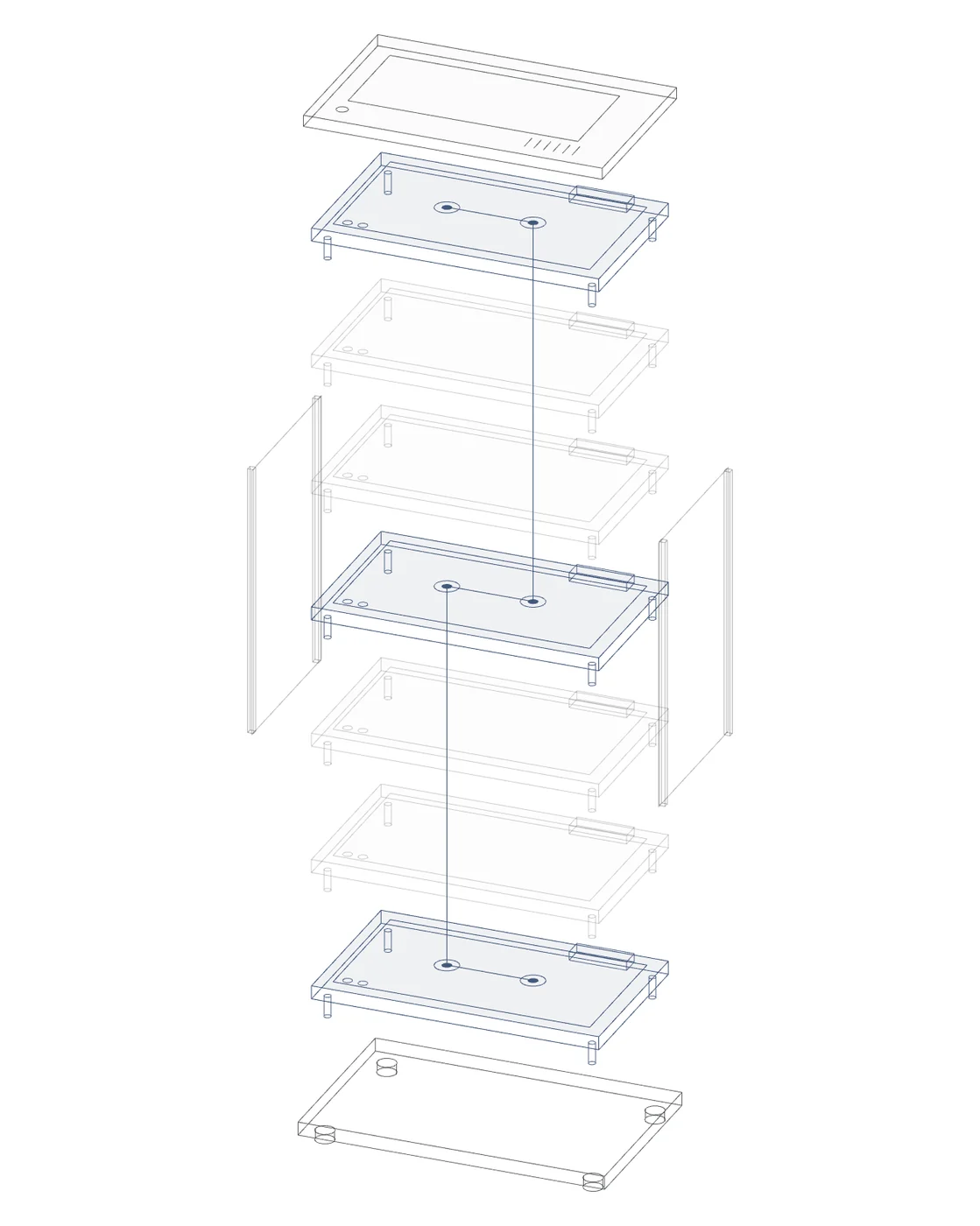
Illustration · a generic process · 14 steps to 6
- 01 Intake
- 02 Hand-off removed
- 03 Re-keying removed
- 04 Approval
- 05 Spreadsheet removed
- 06 Chase-up removed
- 07 Report
Where the Work Sticks
- Quotes live in one person's head.
- Month-end is a week of spreadsheets.
- Dispatch runs on a whiteboard and a group chat.
- The same order is typed into three systems, and no two agree.
Each is a process that grew faster than anyone could write it down.
Where We Start
Most software asks a business to change to fit it. We start from what the business needs, sharpen the work with the people who do it, and build to fit.
One Process, Before and After
Quoting, from request to signed order
Before 9 steps · 4 systems · 3 hand-offs by email
- Request arrives by email or phone
- Estimator retypes it into a spreadsheet
- Prices checked against last year's list
- Email to purchasing for supplier costs
- Wait for supplier replies
- Owner checks the margin
- Quote written up in a document
- Sent to the customer as a PDF
- Signed order rekeyed into accounting
After 4 steps · 1 system · no rekeying
- Request captured once, with the customer's details
- Price built from current costs and set margins
- Owner approves exceptions only
- Customer signs online; the order passes to accounting
How We Work
- The Wikker Blueprint two to four weeks We learn how one part of the business really runs, read the records it already keeps, and produce a business optimization proposal: what to change, and the software that carries it.
- Releases two to four weeks each Working software in your systems. Each release is priced before it starts and carries a result agreed in advance and measured after. Between releases, you re-rank what comes next.
- Care one- or two-year terms Support, training and changes once the software is in use, with response times in writing.
All three run from the Release Desk: every release, its agreed result and its approval, on the record.
No requirements document: we interview the people who do the work, and the plan comes from what they say and what the records show.
Practices
- Operations Design Mapping how the work runs today, with the people who do it, and optimizing it before anything is built.
- Purpose-Built Software The applications, portals and tools that run the optimized process.
- Systems and Data Connecting the systems a business already runs, and making its figures reliable enough to report from.
- Adoption and Care Training, support and change once the software is in use.
Every Release, on the Record
Each release has one record on the Release Desk: what was built, the result agreed before it started, the review it passed, who approved it and, once in use, the result measured.
Release 04
A commercial building-services contractor
Scope
- work orders opened from customer requests
- technician schedule by site and skill
- photos and notes captured on site
- a weekly summary for the owner
- Price
- Priced before it started · paid on delivery
- Length
- 3 weeks
- Agreed measure
- Days from request to technician on site
- Today
- 6.0
- Target
- 3.0
- Checked
- Six weeks after go-live
- Status
- Shipped
Reviewed · 2 findings fixed · approved by the client
Terms, Printed
- A release every two to four weeks, priced before it starts.
- You pay only for what is delivered: each release is invoiced when it runs in your systems.
- Faults reported within ten business days of delivery are fixed free.
- The software runs in your cloud, under your accounts.
- Care plans on one- and two-year terms keep it running.
Every release carries a result agreed before it starts and measured after it is in use.
We won't promise a result we can't measure.
How the Studio Works
- A senior lead runs every engagement, from the first interview to the last release. The person who learns the business stays for the build.
- Every change passes automated tests and an independent review before a senior lead approves it, and every change is logged on the Release Desk.
Start a Conversation
Tell us about the business in about two minutes. A senior Wikker lead reads every enquiry and replies within one business day.